
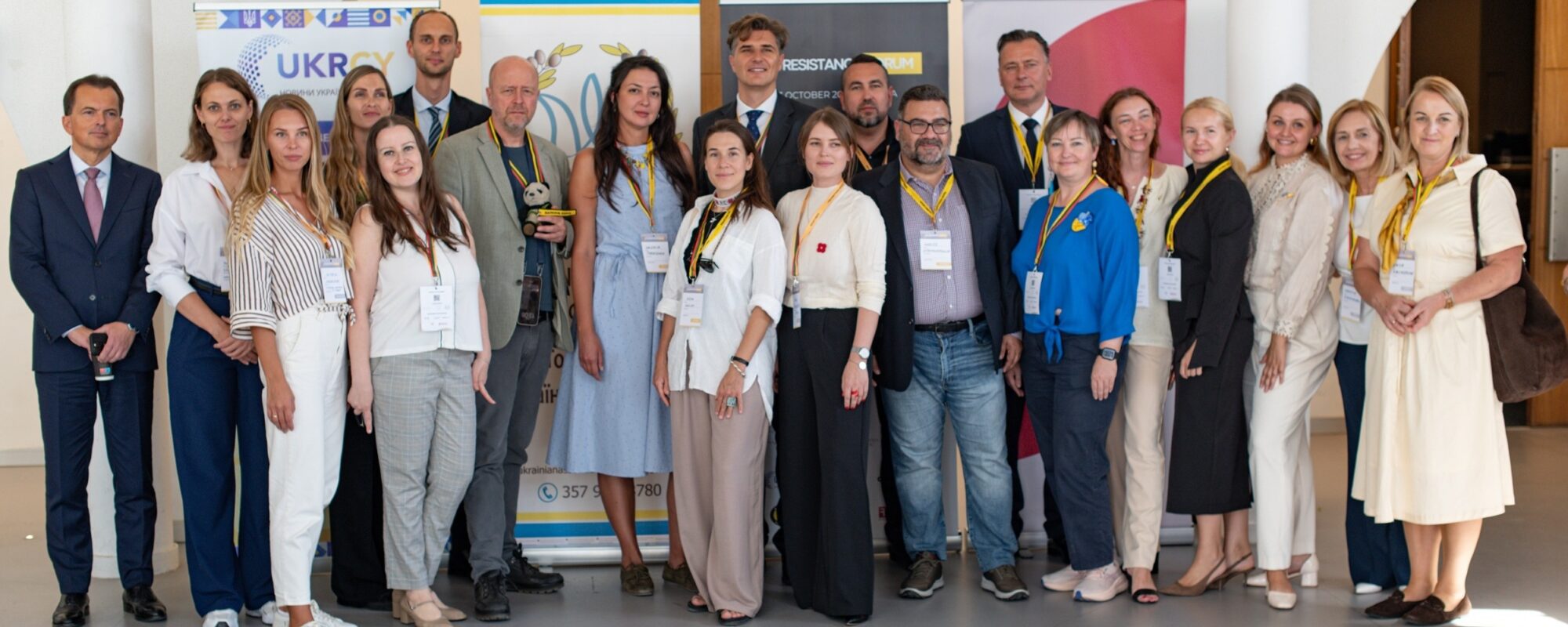
The Third Civil Resistance Forum, held at the University of Cyprus and organised by the Lithuanian and Ukrainian communities in Cyprus, brought together diplomats, academics, journalists, civil society representatives and artists to discuss civil resistance, support for Ukraine, and the defence of democratic values. Under the theme “The Long Fight,” the Forum focused on the challenge of sustaining international solidarity when public attention fades, and conflicts continue.
Opening speakers linked Cyprus’s experience of division with Lithuania’s history of resistance and Ukraine’s ongoing struggle for freedom. They emphasised the importance of sovereignty, human dignity, historical memory, consistent respect for international law and the role of individuals in building societal resilience.
The keynote address, “How Wars End,” examined the political, military, economic and social factors that influence the outcome of war. It highlighted the importance of diplomacy, political leadership, European unity and sustained international support. In a special address, Jonas Ohman, co-founder of Blue/Yellow, explained how fundraising, humanitarian assistance and cross-border networks can transform public solidarity into practical support for Ukraine.
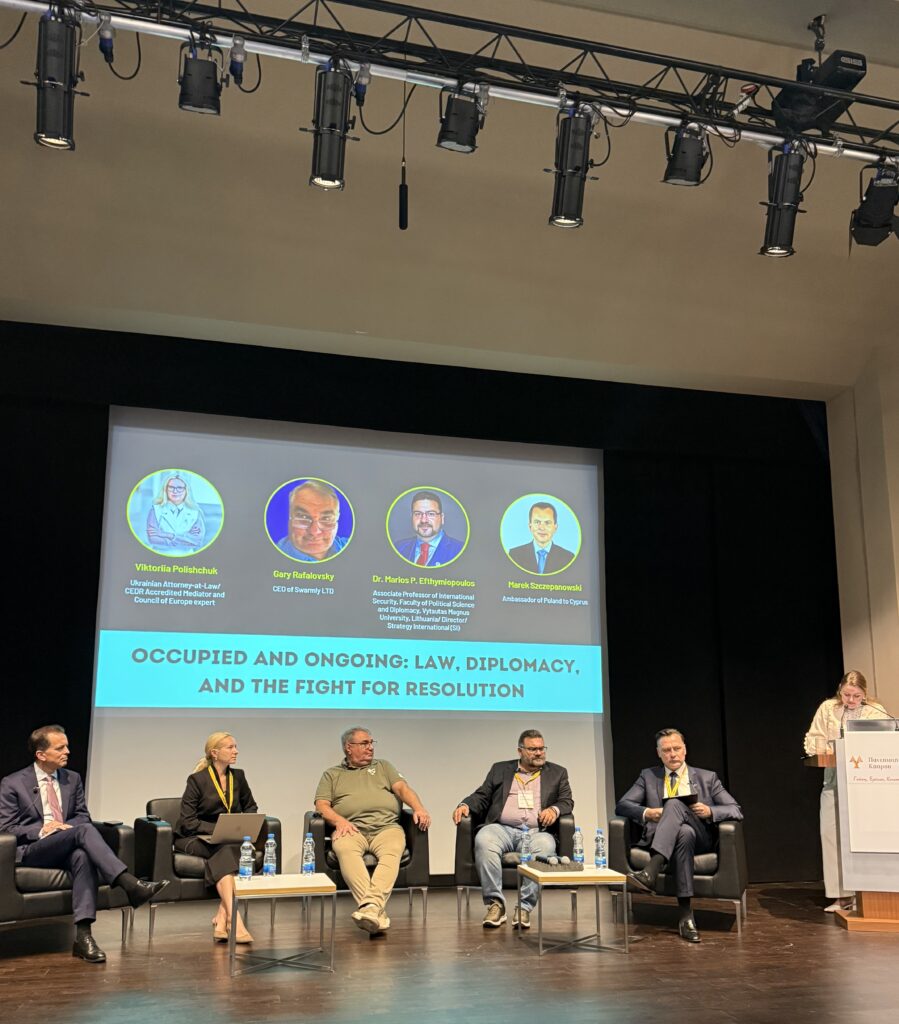
The panel discussion, “Occupied and Ongoing – Law, Diplomacy and the Fight for Resolution,” addressed international law, security, occupation and the human impact of conflict. Speakers stressed the need for coordinated diplomatic action, greater societal preparedness and protection of the rights, identity and dignity of those affected by occupation and displacement.
Art and culture were central to the programme. Ukrainian artists Valeriia Tarasenko and Olena Kulish discussed creating art during wartime and using cultural exchange to foster understanding between communities, address displacement and loss, and preserve identity. Investigative journalist Boris Demash examined how information narratives shape public perceptions and the role of journalism, education and public awareness in countering disinformation.
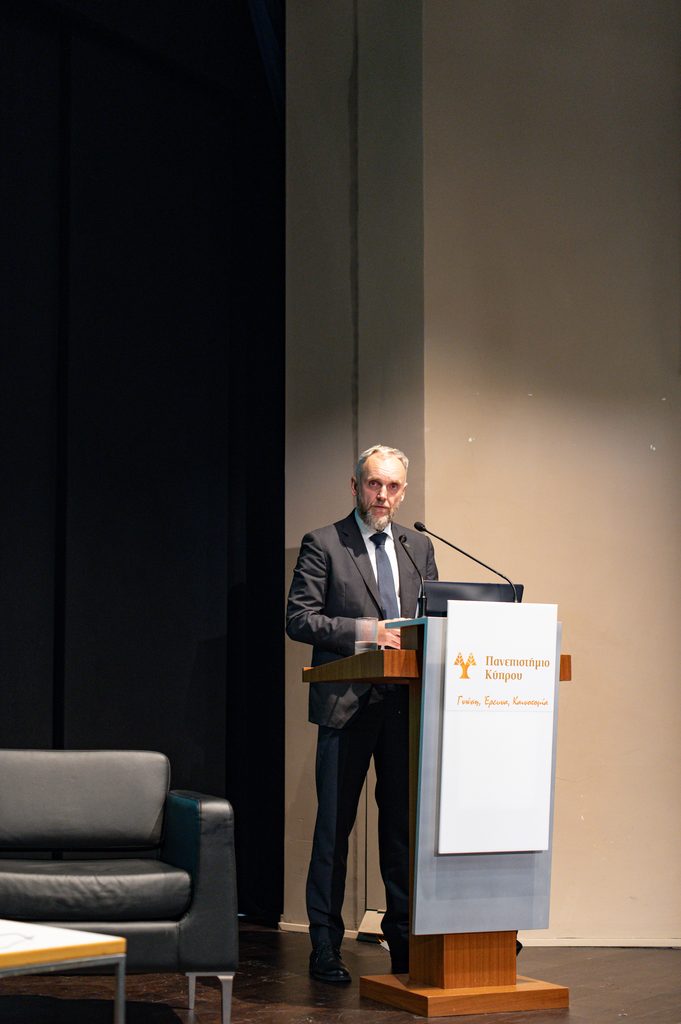
In his closing remarks, Lithuania’s Ambassador to Greece, Cyprus and Albania, H.E. Andrius Kalindra, expressed hope for a Ukraine free from aggression within its internationally recognised borders and for a reunited Cyprus where sovereignty and territorial integrity are respected. He emphasised that the passage of time does not legitimise occupation and that no country has the right to determine another nation’s future by force.
The Forum’s central message was that resistance requires long-term commitment. Defending freedom demands more than support during crises; it relies on sustained solidarity, practical assistance, ongoing diplomacy, cultural preservation and the daily actions of individuals and communities. The event reaffirmed the shared commitment of Lithuanian, Ukrainian and Cypriot participants to freedom, peace, human dignity and the right of nations to determine their own future.
Read more about the conference and explore the key discussions and contributions here.